Pittsburgh properties feature unique structural vulnerabilities that require proactive barriers rather than reactive emergency remediation. In historic brick rowhouses across Lawrenceville and the South Side Flats,…
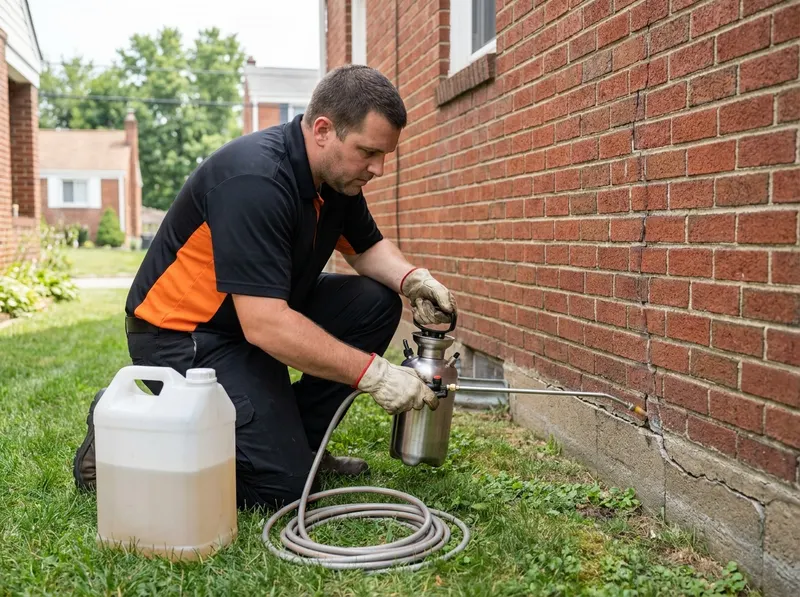
Pittsburgh properties feature unique structural vulnerabilities that require proactive barriers rather than reactive emergency remediation. In historic brick rowhouses across Lawrenceville and the South Side Flats, shared party walls and aging mortar joints allow foraging pests to pass freely between contiguous structures. Century-old fieldstone basements in older housing stock throughout Bloomfield, Shadyside, and Squirrel Hill routinely experience hydrostatic pressure shifts that crack mortar bands, creating direct entry portals for Peromyscus maniculatus (deer mice) seeking thermal warmth during late October freezes. Routine seasonal plans neutralize these entry corridors by combining mechanical mortar gap packing with targeted micro-encapsulated exterior surface barriers. This barrier approach complies with standards outlined by the EPA Integrated Pest Management Guidelines, emphasizing exterior exclusion to safeguard indoor air quality and protect companion animals from interior airborne residues.
Spring protocols specifically target emerging wood-destroying insects that thrive within damp timber framing common near wooded hillsides in Mount Washington, Brookline, and Highland Park. Elevated relative humidity along the Allegheny and Monongahela river corridors accelerates fungal decay in exterior porch sills and sill plates, attracting Camponotus pennsylvanicus (black carpenter ants). Standard quarterly maintenance includes scanning critical soil-to-wood ground contact zones according to MSU Integrated Pest Management Technical Bulletins, followed by perimeter liquid applications along band joists and lower fascia boards to block nesting queens. In high-canopy neighborhoods adjacent to Frick Park and Carnegie Mellon University in East Liberty, summer protocols shift outward to treat rooflines, soffits, and window architraves against paper wasps and bald-faced hornets before aerial nests expand past baseball-sized comb clusters.
Winterizing inspections conducted in late autumn focus primarily on rodent prevention and perimeter containment. Technicians audit exterior utility penetrations, gas meter pipes, and basement window wells using non-toxic mechanical sweeps rather than relying solely on interior chemical dispersion. Exterior tamper-resistant rodent monitoring stations are anchored directly to foundation perimeters according to criteria established by the Centers for Disease Control Rodent Prevention Standards. To uphold local environmental and safety requirements, all exterior applications follow guidelines maintained by the Pennsylvania Department of Agriculture Bureau of Plant Industry, the regional authority overseeing state applicator standards. Environmental monitoring protocols also align with the Penn State Extension Pest Management Network, ensuring that outdoor treatments spare beneficial pollinators visiting plantings near Phipps Conservatory and Botanical Gardens while maintaining an uninterrupted physical barrier against structure-invading organisms.
Every job gets a firm, written price after a free on-site visit.
Tell us about your preventative home protection seasonal maintenance plans job in Pittsburgh and we'll send a clear, written quote, usually the same day.
 Nexford Pest Solutions