Securing a professional PEST CONTROL SERVICE Pittsburgh property owners can rely on requires systematic intervention tailored to the specific vulnerabilities of Western Pennsylvania construction. Older brick rowhouses, porous sandstone foundations, and steep river valley topography present distinct pathways for wood-destroying insects and overwintering vermin looking for harborage near me.

A pest control service in Pittsburgh is an integrated management and biological extermination practice designed to locate, isolate, and eradicate target structural infestations across residential and commercial properties throughout Allegheny County.
Every service reflects the same meticulous attention to detail, whether it's a single job or a larger pest control sevice project across Pittsburgh.
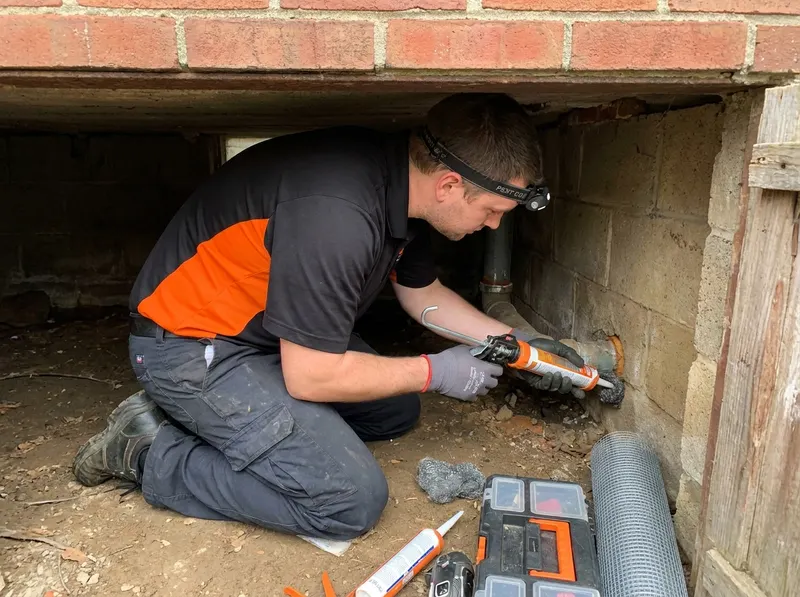
Subterranean Norway rats and common house mice exploit thermal breaks within masonry basements during autumn cold snaps. Technicians conduct 36-point diagnostic inspections to locate sub-slab breaches, door sweep tolerances, and sill plate gaps. Interventions deploy tamper-resistant mechanical capture stations within utility rooms coupled with exterior non-corrosive copper mesh packing, hydro-cement foundation patching, and complete sanitation of biological droppings to avert respiratory hazards.
Get a quote →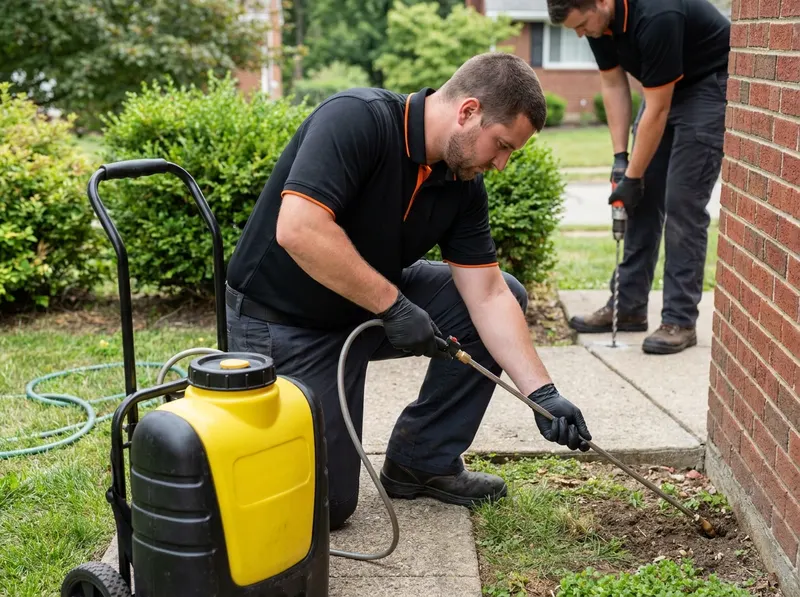
Eastern subterranean termites cause severe load-bearing damage inside damp hemlock framing typical of local architecture. Control protocols combine perimeter trenching, sub-slab foundation drilling, and targeted application of non-repellent liquid termiticides registered under the U.S. Environmental Protection Agency . Soil zones receive deep-root injections at 10-foot intervals to establish an uninterrupted chemical defense perimeter that neutralizes feeding worker castes.
Get a quote →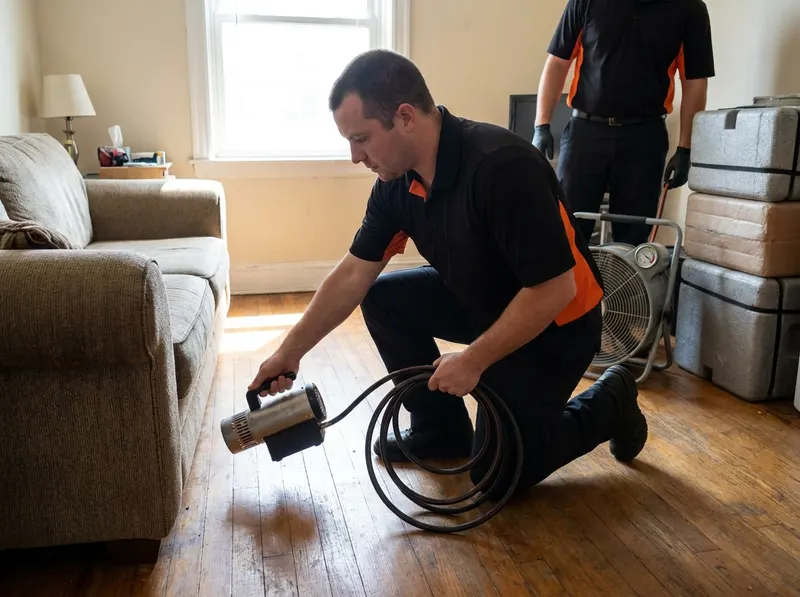
High-density multi-family properties encounter recurring bed bug transfers via common electrical chases and shared wall framing. Remediation begins with high-temperature convective heat application using industrial containment units that elevate core room temperatures past the thermal death point of 122°F for all life stages. Technicians follow thermal cycles with targeted applications of desiccating silica dust behind baseboards and electrical switch boxes to create long-term residual barriers.
Get a quote →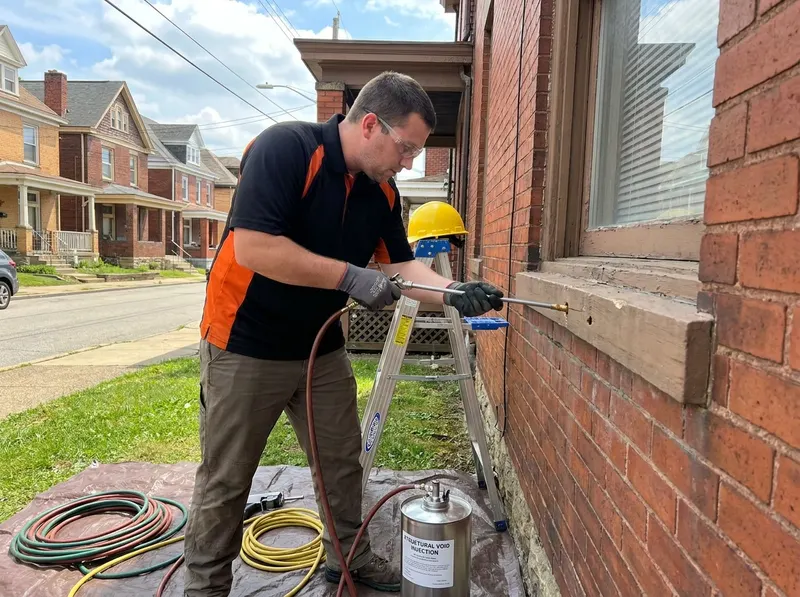
High annual precipitation across Western Pennsylvania leads to recurring fungal rot in subfloors, roof decking, and window headers, creating primary forage corridors for carpenter ants. Extermination avoids superficial surface spraying by utilizing slow-acting micro-gel baits coupled with pressurized void injections directly into discovered satellite galleries. Technicians trace pheromone trails outward from wet structural timbers toward exterior stump harborage zones to permanently sever foraging pathways.
Get a quote →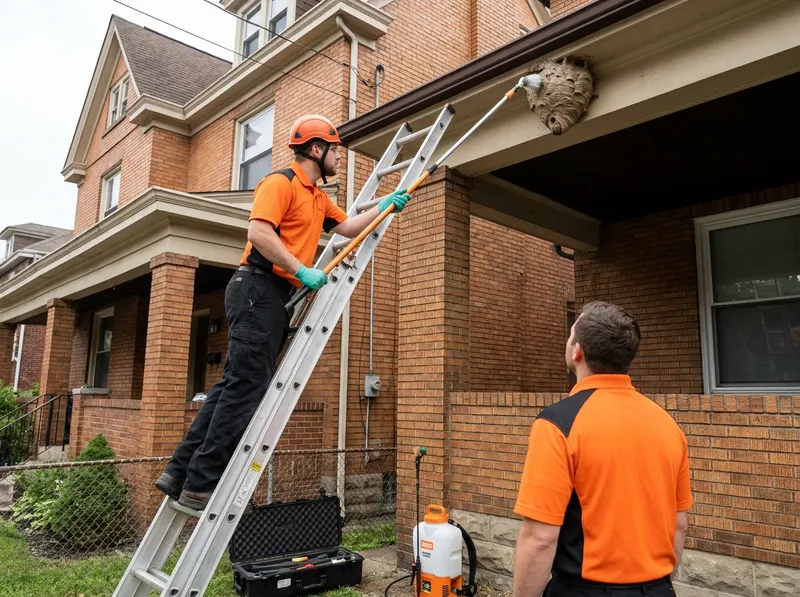
Paper wasps, yellowjackets, and bald-faced hornets construct expansive aerial and subterranean hives beneath Victorian roof eaves, soffit overhangs, and retaining walls. Elimination teams utilize protective cryogenic or pressurized pyrethrum knockdown agents, physically extracting the central nest structure after sundown when foraging worker populations have returned. Entry points along roof flashing and fascias are sealed to prevent seasonal re-infestation.
Get a quote →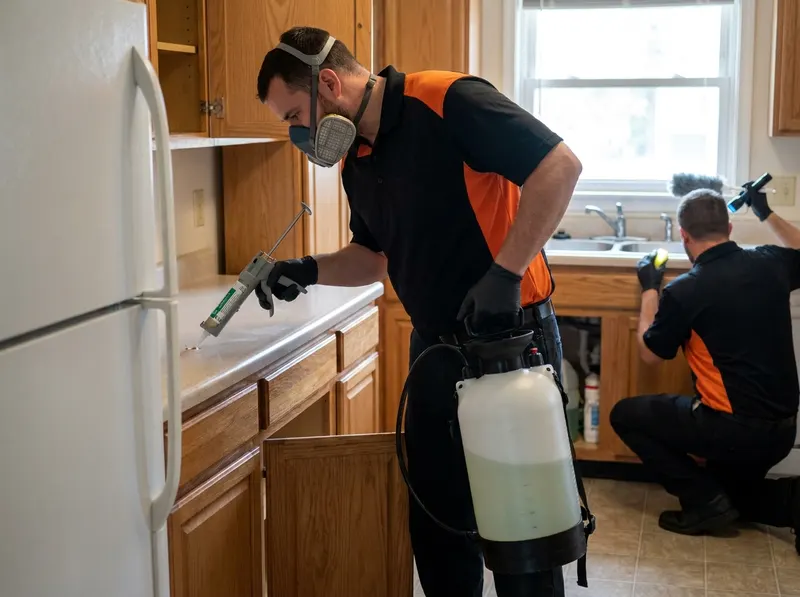
German and American cockroach populations thrive in high-moisture baseline zones such as commercial galley kitchens, steam pipe utility tunnels, and historic dirt-floor basements. Eradication plans deploy precision baiting systems featuring rotating active chemical ingredients to counter behavioral bait aversion, augmented by insect growth regulators (IGRs) conforming to standard CDC environmental sanitation criteria to break continuous reproductive molting cycles.
Get a quote →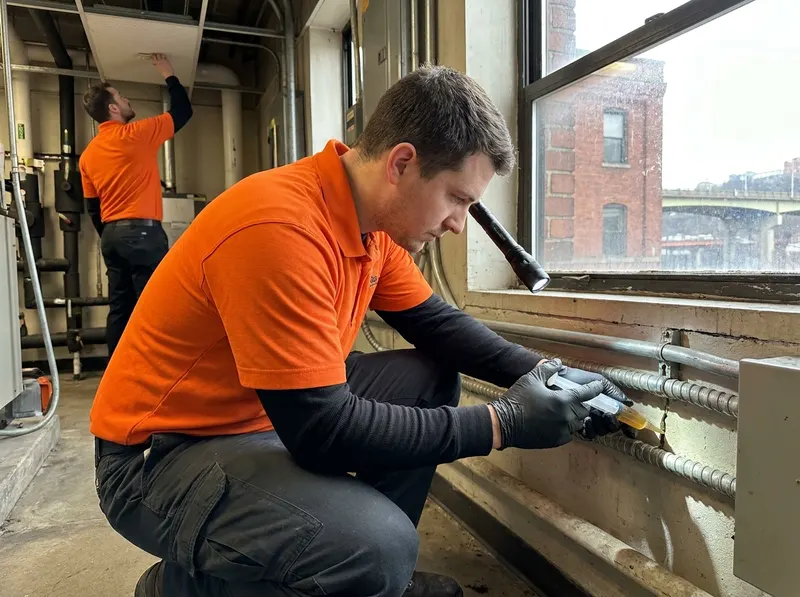
Commercial warehouses, food packaging facilities, and urban hospitality centers maintain compliance through continuous monitoring matrices. Standard Operating Procedures satisfy strict safety mandates enforced by the Occupational Safety and Health Administration and third-party sanitation auditors. Programs include barcode-tracked digital baiting grids, dock door pneumatic seal maintenance, exterior perimeter rodent barriers, and scheduled regulatory compliance reporting.
Get a quote →Year-round defense schedules safeguard residential structures against predictable biological migrations without locking homeowners into unyielding contracts. Spring protocols address emerging swarmers and perimeter ground beetle intrusions; summer treatments suppress stinging insects and damp-loving perimeter pests; autumn regimens seal seasonal rodent pathways; winter programs inspect internal crawlspaces and basements for early environmental moisture incursions.
Get a quote →You get a firm, itemized quote for your pest control sevice before any work begins, no surprises, no pressure.
Careful prep, tidy work, and a full cleanup when we are done. We treat your home and belongings like our own.
The same trusted, background-checked team from the first call to the final check.
Selecting appropriate pest defense depends on current pest pressure, structural architecture, and property usage requirements. If active structural deterioration or visible infestation exists within wood framing or living quarters, choose targeted single-event corrective remediation to arrest colony progression; if the property has a history of seasonal incursions through rubble foundations, select an ongoing seasonal home protection plan. The trade-off centers on upfront capital allocation versus continuous envelope defense: corrective interventions resolve acute biological threats immediately but leave future seasonal vulnerabilities unmonitored, whereas structured protection programs maintain ongoing chemical and mechanical shields across foundation perimeters at recurring quarterly rates.
Every project gets a firm, written price after a free on-site visit. Ranges below for orientation.
Tell us about your pest control sevice job and we'll send a clear, written quote, usually the same day. Or just call and talk to a real Pittsburgh pro.
(215) 217-0928
Pittsburgh's steep river basin topography and historic brick architecture present distinct pest corridors, notably where century-old fieldstone and sandstone foundations shift along hillside cuts. High annual precipitation across Allegheny County fosters elevated basement relative humidity, driving wood-decay fungi, carpenter ants, and subterranean termites through damp sill plates. The dense arrangement of shared party walls throughout neighborhoods like Lawrenceville and South Side Flats enables rapid lateral rodent travel between rowhouses, necessitating systematic structural exclusion rather than simple chemical surface spraying.
Free estimates for Pittsburgh & the surrounding area.
 Nexford Pest Solutions